
Who Owns a Story? Indigenous Storytelling, Cultural Authority, and Intellectual Property Rights
Who Owns a Story?
Indigenous Storytelling, Cultural Authority, and Intellectual Property Rights
What a fascinating coffee chat I had with Claire Stuckey, former Co-Coordinator of the IFLA World Through Picture Books Third Edition Committee within the Children and Young Adults Section of the International Federation of Library Associations and Institutions, and a member of the International Board on Books for Young People (IBBY Australia Inc. National Committee).
Our conversation explored the importance of approaching Indigenous stories with respect, particularly stories belonging to Aboriginal and Torres Strait Islander communities in Australia. It's a subject with real intellectual property stakes, not just ethical ones and one shaped by the distinct histories, customs, beliefs, languages, and cultural practices of many different communities.
Who has the right to tell a story?
This is the question at the heart of it for storytellers, writers, illustrators, researchers, and publishers alike: who has the right to tell, interpret, illustrate, publish, or profit from a story?
Indigenous stories are often deeply connected to a particular community, family, or system of kinship — to Country. In this context, Country refers not only to land, waterways, and seas, but also to law, place, custom, language, spiritual belief, cultural practice, family, identity, and material sustenance.
Because of that connection, permission may involve more than approaching a single individual. Depending on the story and the community, particular people may hold the cultural authority to determine who can access, share, illustrate, or retell cultural knowledge. Recognised Elders, for example, may serve as custodians of knowledge and lore, with the standing to disclose certain cultural beliefs. Other knowledge may relate to kinship responsibilities or to sacred men's or women's business — and some stories may not be intended for wider publication at all.
What this means for ownership
These considerations protect stories from being altered, misinterpreted, or separated from their cultural meaning — and they raise real questions of cultural ownership and IP: If a traditional story is published or used commercially, who benefits, who should be credited, and who has the authority to grant permission and decide how it's presented?
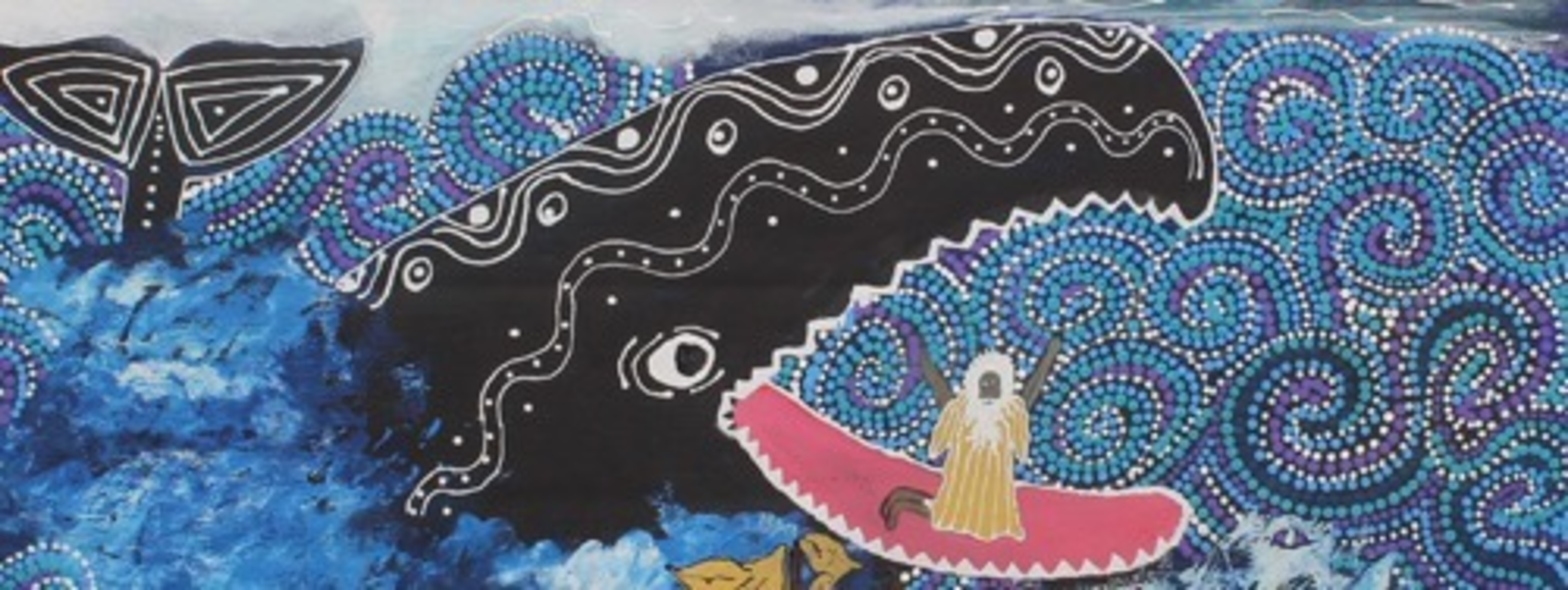
For illustrators, this matters just as much as it does for writers. Images can carry cultural meanings, symbols, and knowledge that aren't immediately apparent to someone outside the community. Permission to tell a story doesn't automatically include permission to interpret it visually — words and images may need separate consultation and cultural approval.
Many forms, one principle
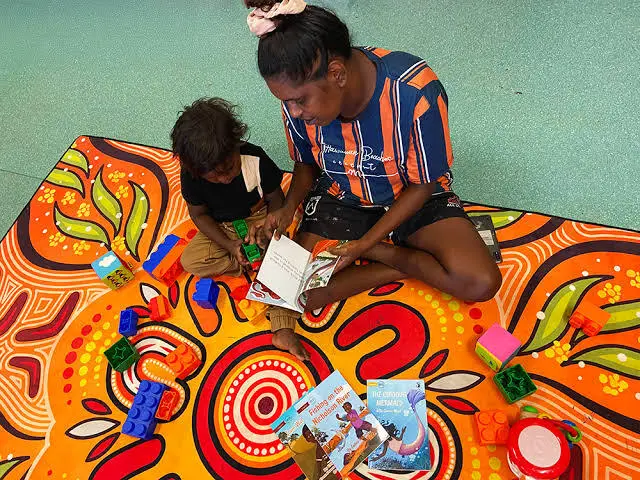
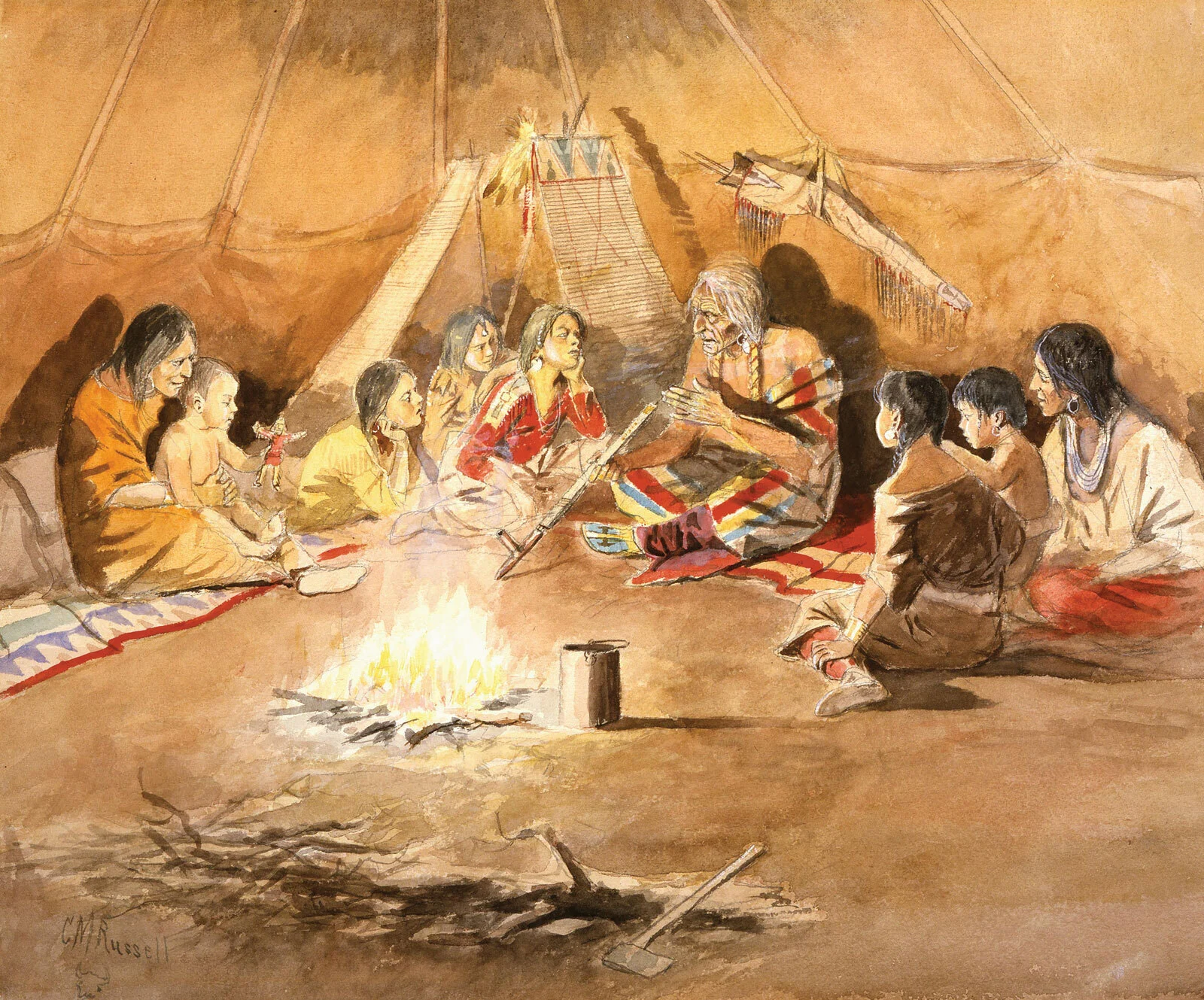
Indigenous storytelling takes many forms. Songlines, for instance, communicate routes across Country while carrying knowledge about the land, safe passage, food, boundaries, and culturally significant places. Yarning and yarning circles offer culturally respectful ways of sharing stories, building relationships, and passing on knowledge collectively.
Preserving a story doesn't necessarily mean making it available to the wider world. Sometimes preservation means respecting a community's decision about who may hear, tell, illustrate, or publish it at all.
The takeaway
For writers, illustrators, researchers, and publishers, the lesson is to approach each story within its own cultural context — not as material simply waiting to be discovered and adapted. Legal permission may not tell the whole story. Cultural authority, community consultation, proper attribution, and fair participation in any financial benefit all need to be part of the conversation.
Respecting Indigenous stories requires more than recording words. It requires listening, asking the right questions, recognising the diversity of Indigenous communities, and keeping the people connected to these stories central to every decision about how they're told, illustrated, shared, and protected.
Thank you, Claire, for such a thought-provoking conversation