
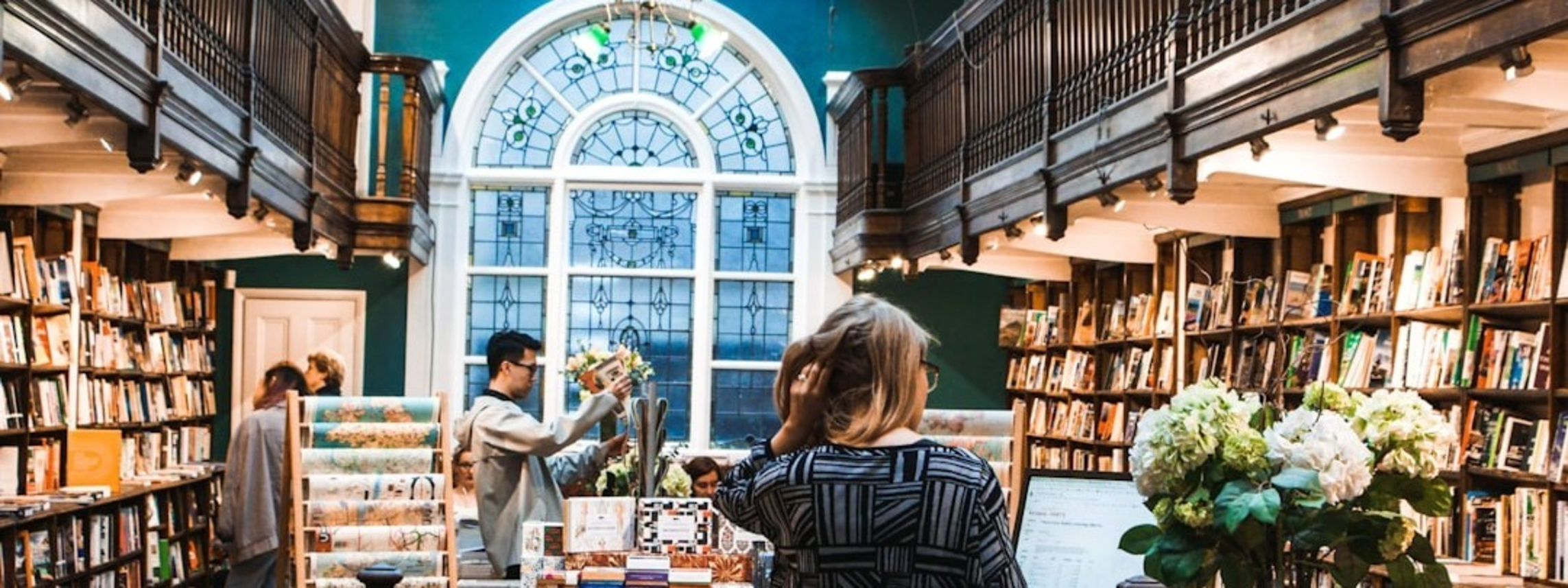
You've Got Mail. The Bookshop We All Wanted
You've Got Mail. The Bookshop We All Wanted. Could Matt Haig's Golden Be Next?
What do Jeff Kinney, Ann Patchett, Emma Straub, Louise Erdrich and George R. R. Martin have in common? They are all successful authors who have opened independent bookshops. Matt Haig is about to join them.
There is a reason so many of us remember the little bookshop in You've Got Mail. It was warm, personal and full of character the kind of place where the bookseller knew the books, understood the customers and made everyone feel welcome.
It represented something a large retailer or an algorithm cannot easily replicate: a genuine relationship between books, readers and the people who bring them together.
That may help explain why a growing number of successful authors are choosing to open bookshops of their own.
Jeff Kinney founded An Unlikely Story in Massachusetts. Ann Patchett co-founded Parnassus Books in Nashville. Emma Straub opened Books Are Magic in Brooklyn. Louise Erdrich owns Birchbark Books in Minneapolis. George R. R. Martin owns Beastly Books in Santa Fe. Now Matt Haig, bestselling author of The Midnight Library and Reasons to Stay Alive, is preparing to join them.
A New Bookshop for Brighton
Haig is opening a bookshop and café called Golden in Seven Dials, Brighton a neighbourhood that currently has no bookseller of its own.
The shop is expected to open in December. Its name is partly inspired by Haig's golden retriever, and dogs will be welcome alongside their human companions.
Golden promises an inclusive, accessible space built around the belief that "everyone is a reader," even if they haven't yet found the right book. Expect fiction, nonfiction, children's books, graphic novels, classics, banned books, art books, coffee table books and even a small collection of vinyl records — all chosen by Haig and people he trusts, rather than dictated by algorithms or commercial targets.
Haig has promised a relaxed atmosphere, free of literary snobbery or pressure to buy. Visitors will be able to browse, have a coffee and simply enjoy being surrounded by books, with occasional evening events bringing readers and writers together in person.
Why Authors Open Bookshops
It's a fair question: why would a successful writer take on the considerable challenge of running a physical bookshop?
Perhaps because authors understand that books need more than shelves, sales figures and online visibility they need people who will recommend them, discuss them and place them into the hands of the right reader.
Writing can also be a solitary act, and bookshops create the opposite: a home for readings, book clubs, workshops and unexpected conversations. These authors aren't simply selling books. They're investing in the literary culture that helped make their own careers possible.
Bookshops as Places of Belonging
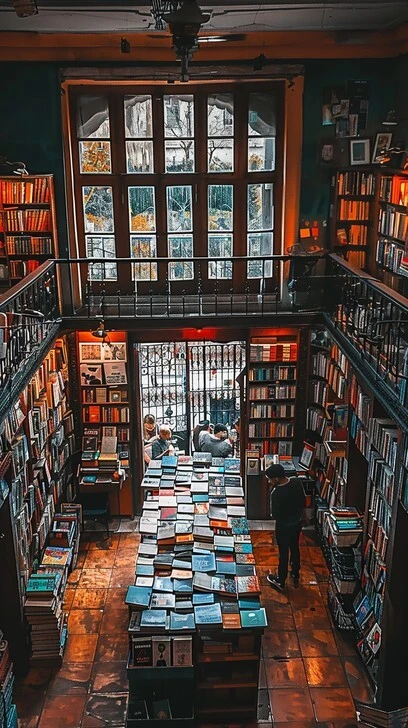
Independent bookshops have never been only retail businesses. At their best, they are places of discovery, conversation and belonging. A bookseller recommends the novel you didn't know you needed. A reading introduces you to a new writer. A conversation over coffee becomes a friendship, a collaboration, a creative idea.
I saw this firsthand through The English Bookshop in Amsterdam. It was never just somewhere to buy books it brought together readers, writers, publishers and visitors from dozens of countries. People came for the books, but they returned because they felt part of something. That's not a thing you can measure by units sold.
It's part of why I started LiteraryWorld: to help that same sense of belonging travel beyond one shop's four walls, connecting readers, writers, bookshops, libraries and publishers around the world so a reader who discovers an author online might end up at a local event, and a bookshop's programme might reach an audience it never could alone.
A Vote of Confidence in Books and People
Opening an independent bookshop at a time when so much cultural discovery is controlled by large platforms is an optimistic act. It says that personal recommendations still matter. Local communities still matter. Human connection still matters.
Golden may begin as one bookshop in one Brighton neighbourhood, but the thinking behind it travels much further.
Jeff Kinney, Ann Patchett, Emma Straub, Louise Erdrich and George R. R. Martin have already shown what can happen when authors invest directly in literary spaces.
Matt Haig's Golden continues that tradition a reminder that the future of books isn't only about what we read, but where we gather, who helps us find our next book, and how we connect the people who bring literature into the world.
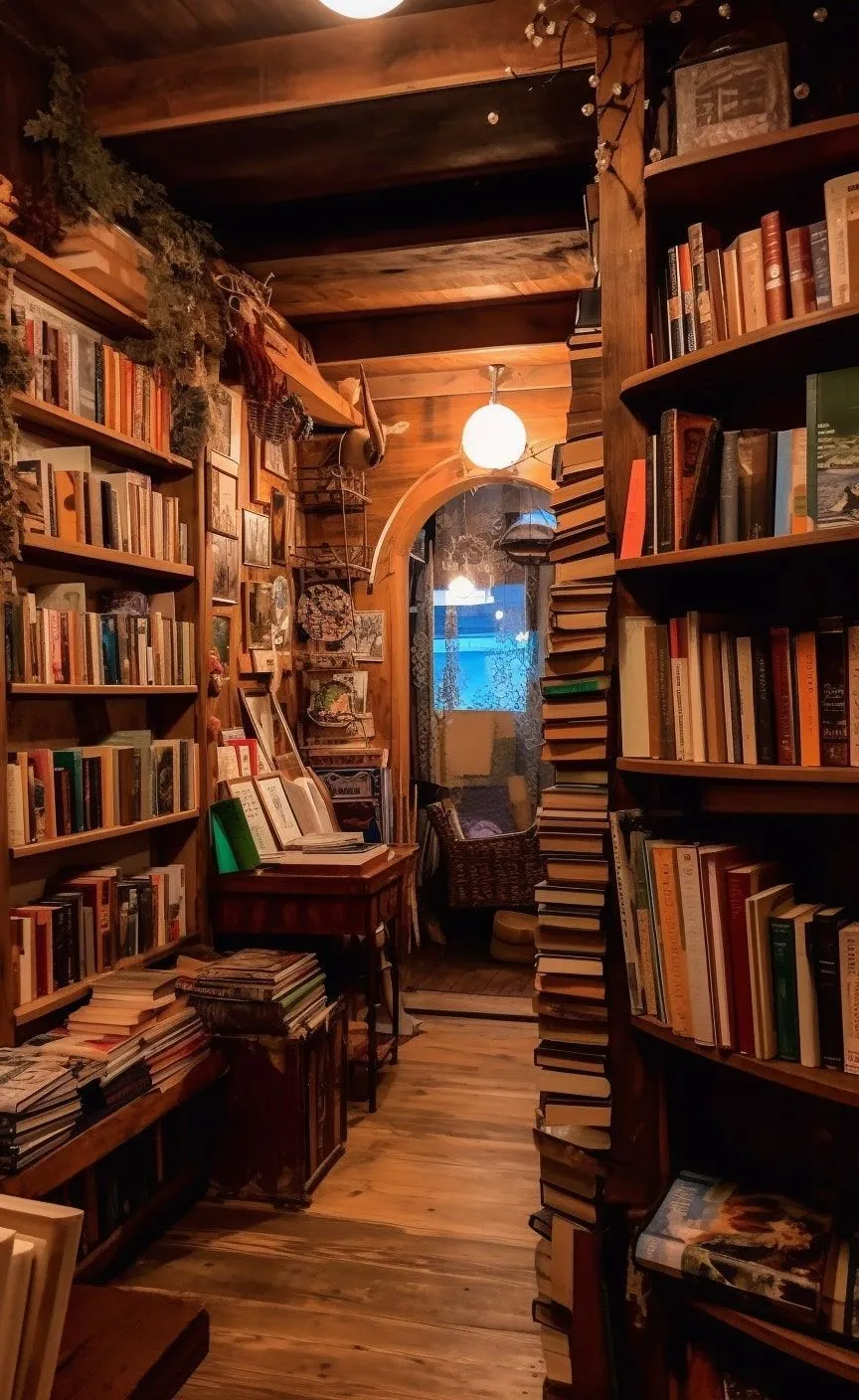
Will Golden have the cosy charm of a classic British bookshop, all wooden shelves and stacked corners? Or something brighter and more unexpected?
Reader, we're curious. When Golden opens its doors in Brighton, LiteraryWorld will be watching and cheering it on.